The Silent Number: What a Lot of People Miss About Their Blood Pressure Until It's Too Late
It's the checkup number everyone glances at and few really think about — until the day it stops looking normal. Here's what's changing in how people are approaching it at home.
Somewhere around age 45, blood pressure quietly becomes the most important number on your chart. It doesn't announce itself. There's no dramatic symptom, no single bad day that tips you off. It just creeps, year over year, until a routine visit turns into a longer conversation with your doctor than you expected.
That's what happened to "Linda Ferraro" (58, a retired school administrator — an illustrative persona used to represent a common experience, not a specific verified individual) from outside Columbus, Ohio. "I ate reasonably well, I walked most days, and I still got the same news my mother got at my age," she said. "It made me realize this isn't really about willpower. There's more going on under the hood than diet and exercise alone can fix."
Linda's experience is common enough that public health researchers have a name for high blood pressure: the silent condition. Millions of adults live with elevated readings for years without feeling any different — which is exactly why so many people are caught off guard.
Part of what makes it so easy to overlook is that the number itself isn't painful. There's no ache, no obvious signal, nothing that interrupts a normal day. Doctors sometimes call it a "silent" risk factor precisely because the body rarely complains before the numbers start climbing — which means most people only find out through a routine cuff test, not because anything felt wrong.
Source: U.S. Centers for Disease Control and Prevention (CDC), national hypertension prevalence data.
Why "Eat Better, Move More" Isn't the Whole Story
Diet and movement matter — no cardiologist will tell you otherwise. But researchers increasingly point to something less talked about at the dinner table: circulatory support at the cellular level. Healthy blood pressure isn't just about how much salt is on your plate; it's about how efficiently your blood vessels relax, dilate, and let blood move through them with ease.
That process leans heavily on specific amino acids and nutrients the body uses to support nitric oxide production — the same mechanism that keeps blood vessels flexible rather than stiff. When that supply runs short, which becomes more common with age, even people who are otherwise doing "everything right" can find their numbers creeping upward anyway.
It's a point many wellness practitioners raise: circulation support is a nutritional question as much as a lifestyle one. Diet and exercise lay the foundation — but the body also needs specific building blocks to keep blood vessels working the way they should. General observation — not a direct quote from a named individual
Five Habits Doctors Commonly Recommend First
Before any conversation about supplements, most physicians start with the basics — and they're worth repeating, because they still form the foundation everything else builds on.
-
Watch sodium, not just salt
Packaged and restaurant food account for most sodium intake — reading labels tends to matter more than skipping the salt shaker at home.
-
Move most days, not hard days
Consistent, moderate movement — walking, cycling, swimming — is generally associated with better long-term cardiovascular markers than occasional intense workouts.
-
Protect sleep
Poor or irregular sleep is frequently discussed by clinicians as a factor connected to blood pressure regulation.
-
Manage stress deliberately
Chronic stress keeps the nervous system in a heightened state, which is one reason many doctors ask about stress load during checkups.
-
Don't skip the nutritional gaps
Even a solid diet can fall short on specific nutrients tied to circulatory health — which is where a targeted daily supplement is sometimes discussed as a complement to, not a replacement for, the habits above.
What Linda Changed
After her appointment, Linda didn't overhaul her entire life overnight. She kept walking. She kept her doctor's visits. But she also started paying attention to a category of daily supplement built specifically around amino-acid and circulatory support — something she'd never really considered before.
"I wasn't looking for a miracle," she said. "I just wanted to give my body what it actually needed instead of guessing. A few months in, my next checkup felt like a relief instead of a lecture."
Stories like Linda's are part of why interest in targeted cardiovascular-support formulas has grown so quickly this year — and why one formula in particular, CardioFlush, has become a common recommendation among people comparing notes in wellness communities.
Egg
Packed with potassium and high-quality protein, eggs help the body balance sodium levels — one of the key factors linked to healthy blood pressure. A simple daily habit with a meaningful impact.
Honey
Used for centuries as a natural heart-support food, honey contains antioxidants that help support healthy blood vessels and keep circulation working the way it should.
Bread
When it's whole grain, bread provides fiber that supports weight management and metabolic health — two factors directly tied to balanced blood pressure.
Cranberry Juice
Loaded with natural antioxidants, cranberry juice is associated with healthy blood vessels and improved circulation, supporting a well-functioning cardiovascular system.
Meet CardioFlush
A daily formula built around amino acids that support healthy circulation and cardiovascular function.
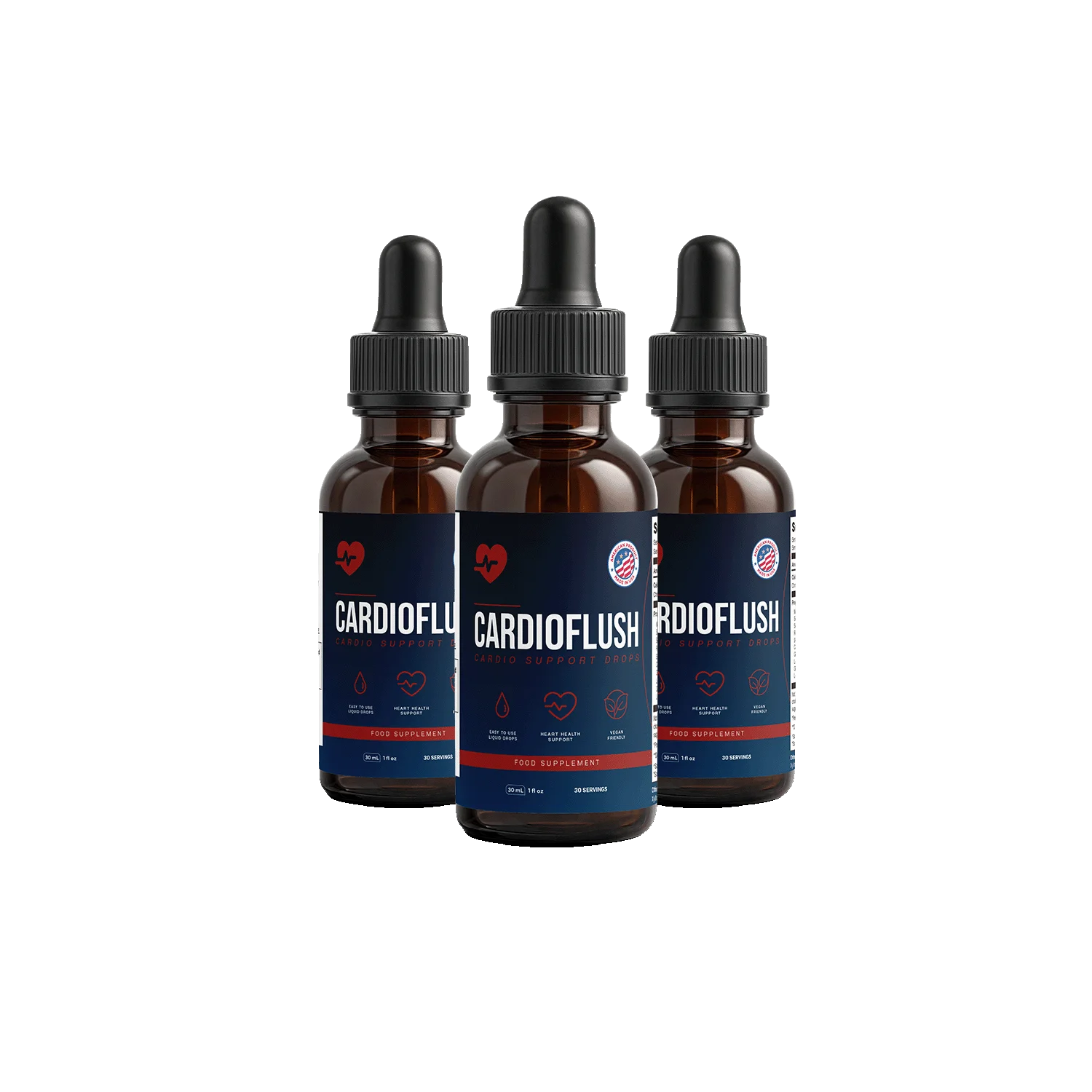
- Supports healthy blood pressure levels
- Formulated with key circulation-supporting amino acids
- Supports overall cardiovascular wellness
- Made in a GMP-certified, USA-based facility
- Non-GMO formula, taken as a simple daily capsule
- Backed by a 60-day money-back guarantee
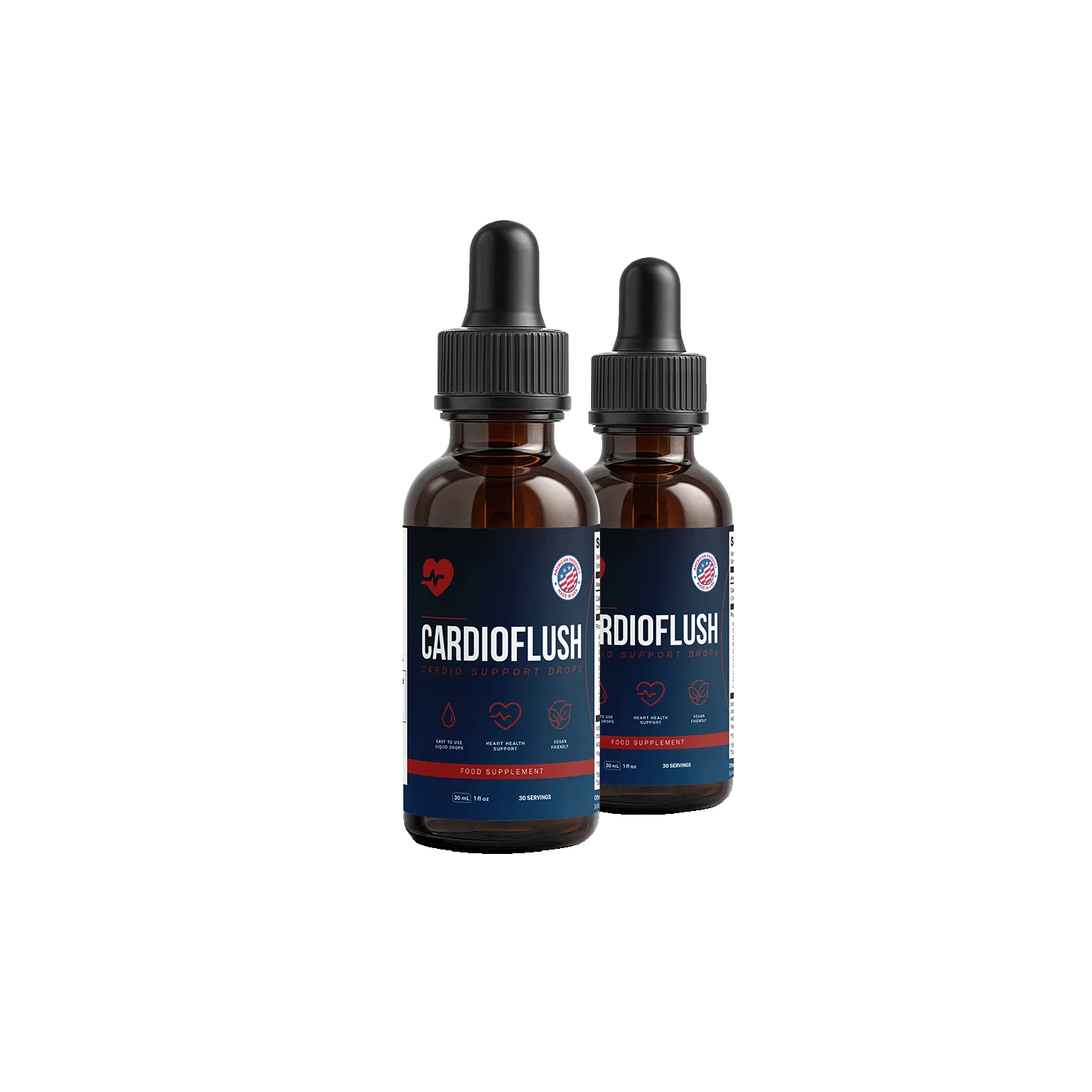
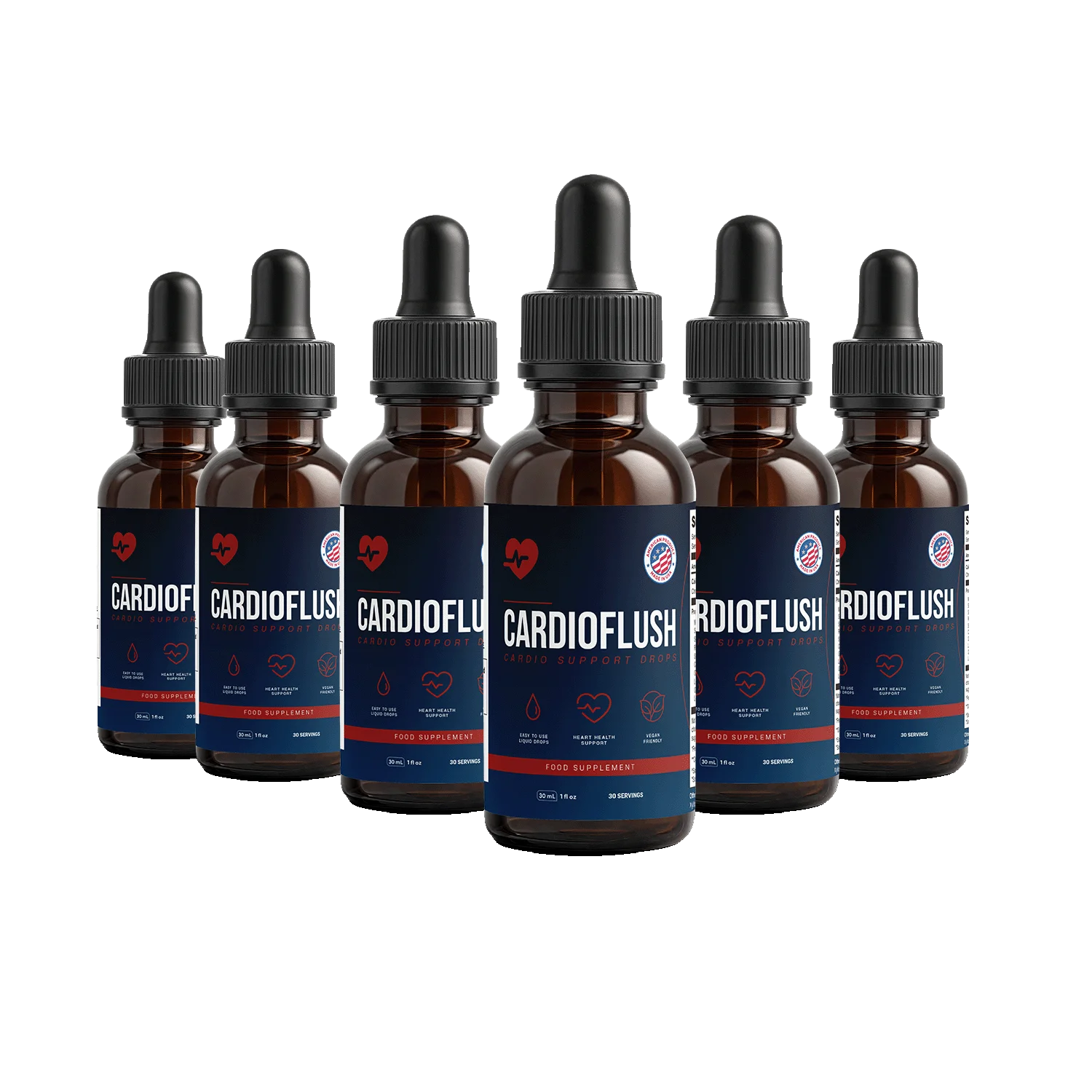
Multi-bottle kits ship with free shipping and the biggest per-bottle savings.
100% Satisfaction, 60-Day Guarantee. Try CardioFlush for two full months. If you're not completely satisfied for any reason, the company will refund every penny — no questions asked.
The 3-bottle "Most Popular" kit gives a 90-day supply — enough time to build a consistent daily habit within the 60-day guarantee window.
Common Questions
How is CardioFlush meant to be taken?
As with any daily supplement, follow the directions on the product label. Consistency matters more than timing — most people take it at the same time each day alongside a normal routine.
Is it safe to take alongside blood pressure medication?
Anyone currently taking blood pressure medication or managing a diagnosed condition should talk to their doctor or pharmacist before adding any new supplement, to check for interactions specific to their situation.
How long before I'd notice anything?
Supplement timelines vary by individual, which is part of why the package options above are built around 90- and 180-day supplies — enough time to use it consistently and still fall within the 60-day guarantee window.
What if it's not a fit for me?
The 60-day money-back guarantee covers that scenario directly — reach out to the company within the window for a refund.
The Takeaway
Blood pressure isn't a problem you solve in a day, and no single habit — supplement included — replaces medical care or a doctor's guidance. But for people like Linda, filling a nutritional gap her body had been missing for years turned out to be the piece she hadn't tried yet. If your last checkup left you thinking the same thing, it may be worth a closer look.
References
- Whelton PK, Carey RM, Aronow WS, et al. 2017 ACC/AHA/AAPA/ABC/ACPM/AGS/APhA/ASH/ASPC/NMA/PCNA Guideline for the Prevention, Detection, Evaluation, and Management of High Blood Pressure in Adults. Hypertension. 2018;71(6):e13–e115. View
- Appel LJ, Moore TJ, Obarzanek E, et al. A Clinical Trial of the Effects of Dietary Patterns on Blood Pressure (DASH). New England Journal of Medicine. 1997;336(16):1117–1124. View
- He FJ, Li J, MacGregor GA. Effect of longer term modest salt reduction on blood pressure: Cochrane systematic review and meta-analysis of randomised trials. BMJ. 2013;346:f1325. View
- Centers for Disease Control and Prevention. Facts About Hypertension. cdc.gov
- American Heart Association. Understanding Blood Pressure Readings. heart.org
- American Heart Association. How Much Sodium Should I Eat Per Day? heart.org
- National Heart, Lung, and Blood Institute. DASH Eating Plan. nhlbi.nih.gov
- World Health Organization. Hypertension — Fact Sheet. who.int
This is a paid advertorial feature. "Linda Ferraro" is a composite/illustrative persona created for this article and does not represent a specific verified individual; her account is for illustrative purposes only. Statements in this article have not been evaluated by the Food and Drug Administration. This product is not intended to diagnose, treat, cure, or prevent any disease. Individual results vary. Always consult your physician before starting any new supplement, especially if you take blood pressure medication or have an existing health condition. As an affiliate, the publisher may earn a commission on purchases made through the links on this page.